Third Term 2025 Summary Report
During the last quarter, Center For Tomorrow implemented key interventions aimed at empowering children and young people through career guidance, life skills development, menstrual hygiene management, and spiritual outreach. These activities were delivered in schools and communities, contributing to holistic development that addresses educational, social, health, and moral needs.
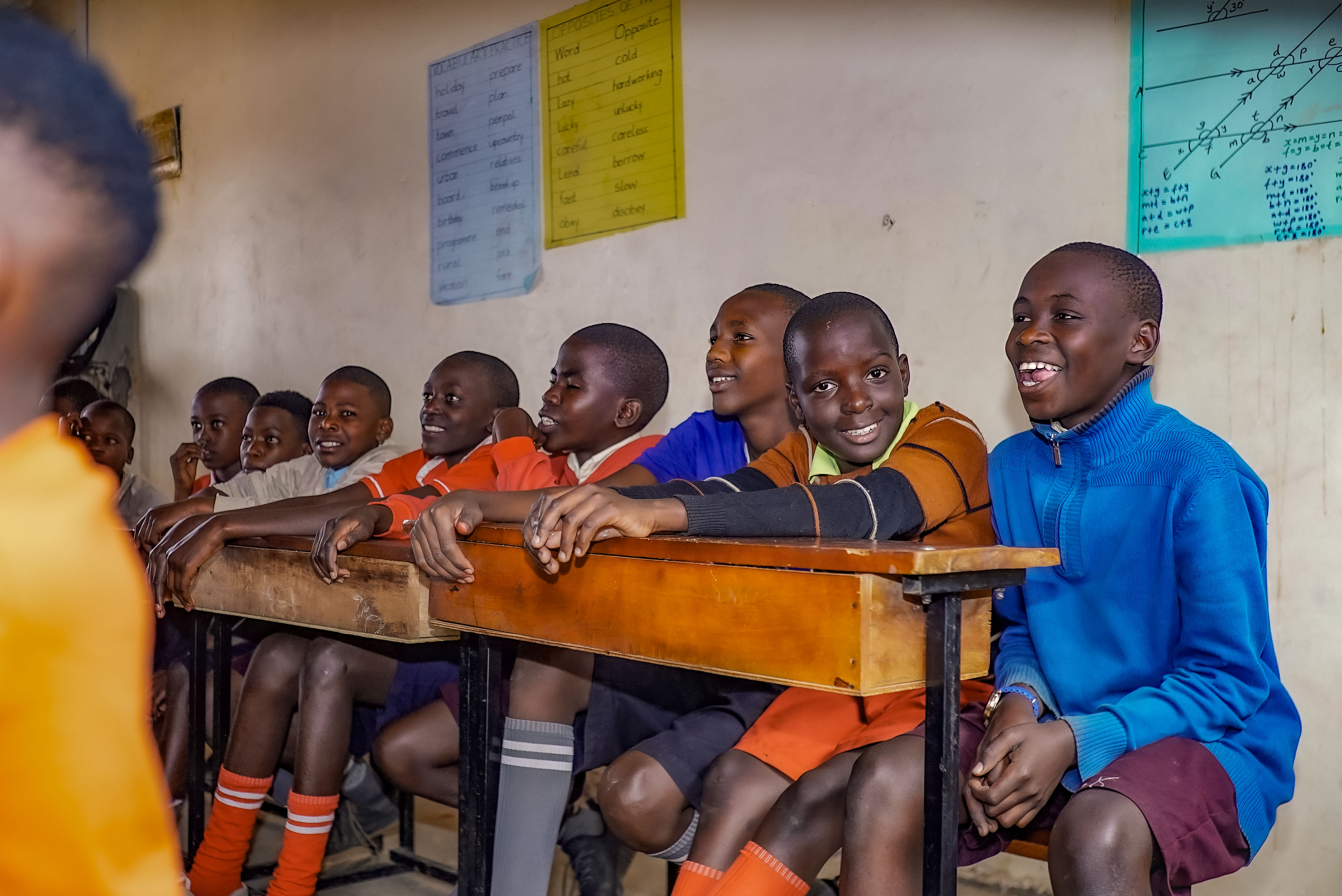
Activities in 9-Secondary and 6-Primary Schools
1.Menstrual Hygiene Management (MHM) (543 Beneficiaries)
The trainings were mostly carried out in primary schools. Sessions addressed menstrual health knowledge gaps, stigma, and confidence issues. Feedback from beneficiaries indicated improved understanding and reduced shame around menstruation.
2.Career Guidance (2,447 Beneficiaries)
Career guidance reached the highest number of beneficiaries. Learners were curious in understanding career pathways, subject choices, and skills required for different professions. The programme complements life skills training by helping learners link education to real-life op.
3.Life Skills Training (2,352 Beneficiaries)
Life skills was greatly engaging for both primary and secondary pupils especially on how to relate with the opposite sex. Skills such as communication, self-discipline, and emotional management are increasingly relevant, especially among upper primary and secondary learners. The programme contributes to behavior change, confidence building, and resilience.
4.Spiritual Outreach (963 Beneficiaries)
Spiritual outreach reached nearly 1,000 learners. The programme reinforces moral values, hope, and positive character formation. Spiritual mentorship complements life skills by promoting integrity, responsibility, and purpose.
← Back to News & Stories
Activities in 9-Secondary and 6-Primary Schools
1.Menstrual Hygiene Management (MHM) (543 Beneficiaries)
The trainings were mostly carried out in primary schools. Sessions addressed menstrual health knowledge gaps, stigma, and confidence issues. Feedback from beneficiaries indicated improved understanding and reduced shame around menstruation.
2.Career Guidance (2,447 Beneficiaries)
Career guidance reached the highest number of beneficiaries. Learners were curious in understanding career pathways, subject choices, and skills required for different professions. The programme complements life skills training by helping learners link education to real-life op.
3.Life Skills Training (2,352 Beneficiaries)
Life skills was greatly engaging for both primary and secondary pupils especially on how to relate with the opposite sex. Skills such as communication, self-discipline, and emotional management are increasingly relevant, especially among upper primary and secondary learners. The programme contributes to behavior change, confidence building, and resilience.
4.Spiritual Outreach (963 Beneficiaries)
Spiritual outreach reached nearly 1,000 learners. The programme reinforces moral values, hope, and positive character formation. Spiritual mentorship complements life skills by promoting integrity, responsibility, and purpose.